
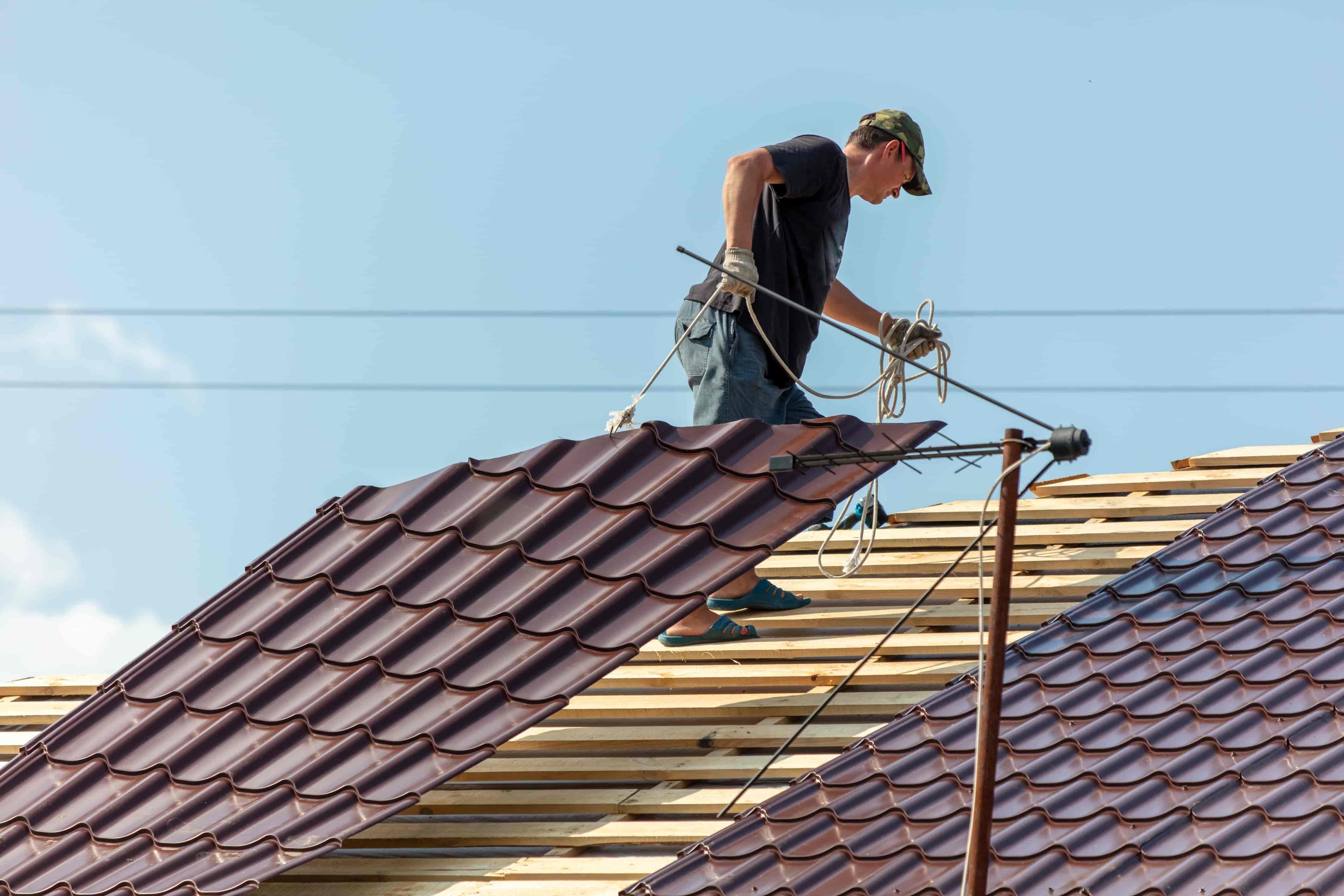
If you are planning to stay in your home for the next two decades, does it make sense to buy a roof you’ll have to replace twice? The metal roof vs shingles cost is the classic homeowner debate: save money now with traditional shingles or spend big upfront for a "forever" metal roof.
The price tag on metal can be shocking, often double the cost of asphalt. But when you zoom out to a 20-year timeline, the math changes dramatically. Here is the real lifecycle cost of the two most popular roofing materials.
Let’s start with the check you have to write today. Considering the near future of 2026 and beyond, material and labor costs have stabilized, but the gap remains significant.
Asphalt Shingles (Architectural): For a standard 2,000 sq. ft. roof, expect to pay $8,000 – $12,000.
Pros: Affordable, easy to find contractors, quick installation (1-2 days).
Cons: Susceptible to wind and hail; prices fluctuate with oil markets.
Metal Roofing (Standing Seam): For the same home, costs range from $18,000 – $30,000.
Pros: Fire-resistant, practically indestructible, sleek aesthetic.
Cons: High initial investment; requires specialized installers.
The "deal" with metal roofing isn't on day one; it's in year 15 and year 20.
The average lifespan of asphalt shingles in a storm-prone area is 15-20 years. By year 20, you are likely paying for a second asphalt roof.
Asphalt Scenario: $10,000 (Year 1) + $14,000 (Year 18, accounting for inflation) = $24,000 Total.
Metal Scenario: $22,000 (Year 1). Zero replacements.
Verdict: By year 20, the metal roof has broken even. By year 30, it is actively saving you money.
Metal roofs are among energy efficient roofing materials and often termed as "Cool Roofs." They reflect solar radiant heat rather than absorbing it like black asphalt.
The Savings: A metal roof can lower cooling costs by 20-30% during the summer. In hot climates (Texas, Florida, Arizona), this saves roughly $300-$500 per year. Over 20 years, that is $6,000 - $10,000 back in your pocket.
Because metal is fire-resistant and hail-resistant (Class 4 rating), many insurance carriers offer a premium discount of 5-15%. Over 20 years, this adds another $1,000+ in savings.
Will you get your money back if you sell?
Asphalt: Buyers expect a functional roof. A new shingle roof helps sell the house, but it doesn't necessarily increase the asking price.
Metal: According to 2026 real estate data, homes with standing seam metal roofs sell for 1% to 6% more than homes with asphalt. For a $400,000 home, that is a value boost of up to $24,000—essentially paying for the roof itself.
Despite the long-term data, metal isn't for everyone. Stick with shingles if:
You are moving soon: If you plan to sell in 5 years, you won't recoup the investment of metal.
HOA Restrictions: Some associations strictly ban metal roofing to maintain a uniform "suburban" look.
Complex Rooflines: If your roof has many dormers, skylights, and valleys, the labor cost for cutting metal panels can skyrocket, making the ROI harder to achieve.
If you view your home as a short-term asset, asphalt shingles remain the budget champion. But if this is your "forever home," asphalt is actually the more expensive choice. By choosing metal, you are pre-paying for your next roof today, locking in the price and insulating yourself against future inflation.
How to Choose the Right Moving Company for a Stress-Free Move Moving is consistently...
Read More
Understanding Business Insurance: What Small Businesses Need Insurance is one of those...
Read More
Pricing Strategies for Service-Based Businesses Pricing is one of the most...
Read More
Understanding Customer Service Channels: Chat, Phone, and Email Support When something...
Read More